


Is Your Garage Door Ready for Winter?
As the rainy season approaches, it’s a good time to make sure your garage door is ready for wetter weather. With El Niño potentially bringing increased rainfall to California, preparing your garage door now can help protect your home or business from rainwater, cold air, dirt, and unwanted pests such as rats and mice.
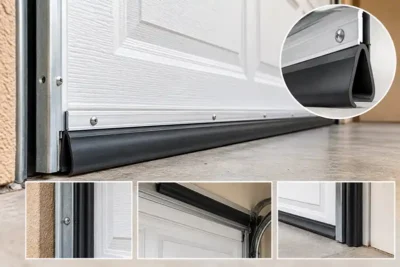 A garage door that isn’t properly sealed can allow water and pests to find their way inside. Taking a little time to prepare before the heavy rain arrives can help prevent expensive problems later.
Keep Rainwater Out
One of the first things to check is the bottom seal of your garage door. Over time, the rubber seal can become rotten, cracked, brittle, or deteriorated from age and exposure to weather.
During periods of heavy rain, including potentially wetter conditions associated with El Niño, a damaged bottom seal can leave gaps underneath your garage door and allow rainwater to enter. Those same gaps can also create an easy entry point for rats, mice, and other unwanted pests looking for shelter from the rain.
Replacing an old, rotten bottom seal helps create a tighter barrier between your garage and the outside, keeping your garage drier and better protected from rodents and the elements.
Don’t Give Rats and Mice an Easy Way In
When the weather gets wet, rodents look for dry, protected places to shelter. Your garage can become an easy target when there are gaps underneath or around the garage door.
A rotten bottom seal is one of the first things you should check.
Look for:
- A rubber seal that is cracked, brittle, or falling apart
- Gaps underneath the closed garage door
- Sections of the seal that are missing
- Chewed or damaged rubber
- Daylight visible underneath the door
- Water coming into the garage during rain
- If your bottom seal is old or rotten, replacing it before the rainy season can help keep both water and unwanted pests outside. Upgrade to a metal-reinforced bottom seal for an extra layer of protection against persistent rats and mice.
Check the Side and Top Weatherstripping
The bottom seal isn’t the only area that needs attention. The weatherstripping around the sides and top of the garage door can also wear out over time.
Look for:
- Cracks or gaps
- Missing sections
- Brittle or damaged rubber
- Sections that no longer make contact with the door
- Light visible around the edges when the garage is closed
If you can see daylight around your closed garage door, it’s worth having the seals inspected.
Prevent Moisture Damage
Water entering your garage can lead to more than just a wet floor. Continued moisture can contribute to rust, deterioration of stored materials, mold growth, and damage to belongings.
With the possibility of wetter conditions during an El Niño season, preparing your garage door ahead of time is a simple preventative step that can help keep your garage cleaner, drier, and better protected.
Don’t Wait Until the First Big Storm
The best time to inspect your garage door seals is before the rain arrives, not after you discover water or pests inside.
Our professional garage-door technicians can inspect the bottom seal, side weatherstripping, and the entire perimeter of your garage door and replace worn or rotten seals when necessary.
Get Your Garage Ready for Winter
Don’t wait for El Niño and the first big storm to reveal a problem with your garage door.
Need a new bottom seal or weatherstripping? We can inspect your garage door and help make sure it’s properly sealed and ready for the rainy season.
Call Turbo Garage Door today at 707-800-9635.